What Direct Thermal Labels Work on Reusable Plastic Totes
Reusable totes need a label that stays readable for the current trip yet can be removed or replaced without damaging the tote or leaving misleading old codes. The right answer depends on tote plastic, surface texture, wash process, and whether the label is attached directly or placed in a holder. A removable label is not automatically removable after weeks of heat and cleaning.
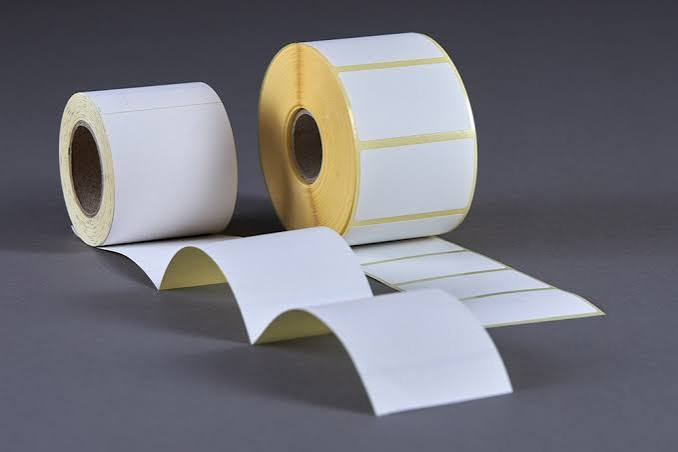
When comparing direct thermal tote labels, match the material to the actual surface, printer, handling time, and scan conditions. A familiar size or low roll price does not prove the label will work in the complete workflow.
What the Label Must Accomplish
A tote often carries an enduring asset ID and a temporary order or route ID. Keep these separate. The permanent asset code can sit on a durable plate or in-mold mark, while a direct thermal label can carry short-lived variable information. If temporary labels accumulate on the tote, workers may scan the wrong one. Define who removes the old label and when, and design the location so removal is easy during normal return processing.
Choosing the Label Construction
Identify whether the tote is polyethylene, polypropylene, or another material, and note molded texture, scuffs, and cleaning chemicals. Low-surface-energy plastics can be difficult for standard adhesives. A removable adhesive must hold through sorting but release after the intended interval. On a rough tote, an adhesive may contact only the high points. Test several adhesive constructions on worn as well as new totes; a sample on a smooth plastic sheet is insufficient.
Printing and Barcode Setup
Use a label size that makes the temporary code easy to distinguish from the tote’s permanent asset ID. Keep the barcode quiet zones clear and the layout simple enough for staff to recognize the current route. If a tote is washed between trips, direct thermal print may not survive the process; remove the temporary label first or move it into a reusable label holder. Confirm that the printer format identifies the order and expiration date unambiguously.
Application in the Real Workflow
Choose a flat, protected panel that avoids handles, nesting contact, latches, and drain holes. Wipe away dust and moisture before labeling, then apply with firm even pressure. If the tote is cold, allow the surface and adhesive to reach a suitable application condition specified by the material supplier. Do not place a temporary label where it will be scraped by another tote during stacking. Standardize the location across the fleet to reduce searching and wrong scans.
A Test That Reveals Problems Early
Use both new and heavily reused totes. Apply labels at the normal station temperature, then run the tote through the actual pick, stack, transport, return, and cleaning cycle. Check scanning, edge lift, removal effort, adhesive residue, and the condition of the plastic after repeated cycles. The most useful test includes the planned maximum dwell time, because removable adhesive can behave differently after aging.
Common Failures and Their Causes
A common failure is specifying a removable adhesive for an order label but leaving it on the tote through a hot wash. Another is buying a permanent label to solve edge lift, then creating labor and residue at every return. Separate the needs of the asset ID from the temporary route label. If frequent label changes are required, a protective holder or dedicated reusable panel may lower total cost despite a higher initial investment.
What to Request From a Supplier
Tell the supplier the tote material, texture, wash process, label life, removal method, and permitted residue level. Ask for samples on the exact stock size and printer, not only adhesive swatches. Define success as a scannable code through the trip and clean removal at return. Include the time needed to relabel a tote in the cost comparison; a cheap label that takes a minute to scrape off is not inexpensive at scale.
To order thermal labels for this direct thermal tote labels use case, specify the target surface, label life, printer model, size, core, winding, adhesive, and expected handling. Ask for a converted-roll sample in the proposed construction. The sample should pass the field test outlined above before the full purchase.
How to Separate Permanent and Trip Data
Give the tote’s permanent asset identifier a fixed location and a different visual treatment from temporary trip data. The permanent code should survive the tote’s full service life; the direct thermal trip label needs to survive only its defined route. At return, scan the asset ID, remove the old trip label, and print the next one from the new order. This sequence reduces duplicate scans and helps staff identify when a tote is empty, quarantined, or ready to circulate again.
How to Measure the Cost of Relabeling Totes
Calculate more than the label price. Count seconds to find the old label, remove it, wipe residue if needed, print, and apply the next label. Multiply that time by annual tote turns, then add discarded labels and damaged holders. A slightly higher-cost removable material can save labor if it releases cleanly; a very cheap permanent label can create a costly scraping task. Test removal after the longest realistic dwell, because a one-day trial may underestimate the problem.
Use a separate bin for totes whose old labels will not release cleanly. Scraping them in the middle of a pick route slows staff and risks sending a tote out with two active codes. A planned return-station cleanup gives the operation time to inspect damage and decide whether the tote or label process needs correction.
How to Decide Whether the Trial Passed
Set the acceptance criteria before testing direct thermal tote labels. Record feed errors, print clarity, barcode scan rate, application time, edge lift, removal or residue where relevant, and damage after ordinary handling. Use the hardest surface and longest planned dwell period, not only a fresh label under ideal office conditions. If a sample fails, change one factor at a time so the result identifies whether print setup, facestock, adhesive, label geometry, or application method is responsible. Keep the approved sample and settings with the purchasing specification.
Can Direct Thermal Labels Survive a Tote Wash
Some specialized constructions may tolerate parts of a wash process, but ordinary direct thermal paper and temporary adhesive should not be assumed to survive hot water, chemicals, or abrasion. Test the complete cycle. If the label is supposed to be temporary, remove it before washing and keep the durable asset identifier separate.