FintechAsia Telekom Company Identity, And Purpose
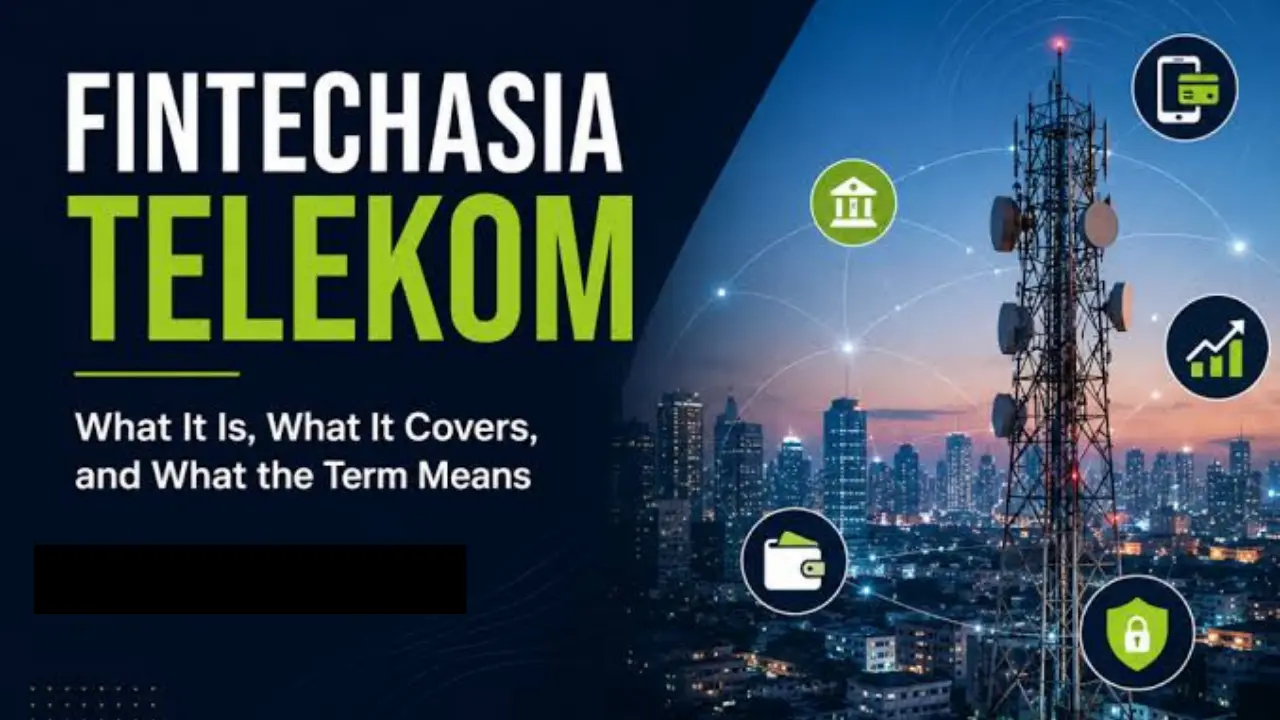
FintechAsia Telekom does not clearly identify a widely established company, product, or official service from the name alone. It may refer to a webpage, publication, brand wording, or an informal combination of fintech, Asia, and telecommunications. Before sharing information, downloading an app, or making a payment connected with that name, confirm the exact website, company identity, and purpose.
The wording does point to a real area of technology: the growing overlap between financial technology and telecommunications. Mobile networks and telecom providers can make digital payments, identity checks, mobile wallets, and other financial services more accessible. That broad connection, however, does not prove that a particular service using a similar name is affiliated with a telecom operator or regulated financial provider.
Why the name is ambiguous
“Fintech” is short for financial technology. It describes technology used to deliver or support financial services, such as payment apps, digital wallets, lending platforms, fraud detection systems, and software for financial institutions.
“Telekom” is commonly used as a spelling or brand-style form of “telecom” or “telecommunications.” It can refer generally to mobile networks, internet access, phone services, and the companies that provide them. It is also used in the names of several businesses in different countries.
“Asia” may describe a geographic focus, an audience, a publication category, or simply part of a brand name. Put together, these words can sound like the name of a fintech-and-telecom business, but a descriptive-sounding name is not enough to identify one specific organization.
How fintech and telecommunications connect
Fintech and telecom are separate industries, yet they often work together. Financial apps need reliable connectivity, while telecom networks can reach people who may not have convenient access to traditional bank branches or desktop computers.
The relationship is especially visible in mobile-first services. A phone number, SIM card, mobile device, and network connection can help a service register a user, send security codes, deliver account alerts, or support a wallet application. The exact role of a telecom company varies by market and product.
Common areas of overlap
- Mobile money and wallets: Users may store value, send money, pay merchants, or receive funds through a phone-based service.
- Payment authentication: One-time passcodes sent by text message are often used as an extra account-security step.
- Digital identity: Some services use phone-number verification as one signal in account onboarding or fraud checks.
- Merchant payments: Mobile connectivity allows businesses to accept digital payments through apps or card terminals.
- Financial notifications: Banks, wallets, and payment platforms may send transaction alerts and account messages by SMS or app notification.
- Data and analytics infrastructure: Connectivity and device data can support fraud prevention, service delivery, and customer support, subject to applicable privacy rules.
These uses do not mean that every telecom operator offers financial products, or that every payment app is operated by a telecom company. A telecom firm may supply connectivity only, while a separate regulated provider handles payments or stored funds.
Chaturbate Ebony Community, Features, and Growth Trends
What to verify before using a service with this name
If FintechAsia Telekom appears in a link, email, social-media post, app listing, invoice, or message, verify the service before treating it as official. This is particularly important when it asks for passwords, identity documents, bank details, card information, cryptocurrency transfers, or fees.
- Check the exact web address. Look carefully at the domain name and spelling. A familiar-looking name can be paired with an unrelated address.
- Find a clear legal identity. A legitimate commercial service should normally state the operating company, a physical business address or reliable contact method, and applicable terms or privacy information.
- Confirm the claimed affiliation independently. If the service suggests a link to a mobile operator, bank, payment network, or government body, visit that organization’s official website separately and look for confirmation there.
- Understand the service being offered. Determine whether it is a news site, software provider, payment service, telecom reseller, investment-related platform, or something else. Each category has different risks and expectations.
- Review permissions and data requests. An app should request only permissions that make sense for its stated function. Be cautious if a simple information app seeks access to contacts, messages, accessibility controls, or other sensitive data.
- Look for support channels. Test whether customer support information is specific and usable. Generic web forms, copied policies, or vague contact details deserve extra caution.
Signs that call for extra caution
Not every unfamiliar site is unsafe, and an imperfect website alone does not prove misconduct. Still, several warning signs together should prompt users to pause and verify independently.
- Promises of guaranteed profits, unusually high returns, or risk-free financial outcomes.
- Pressure to act immediately, pay a fee, or move money before details can be checked.
- Requests for a password, one-time passcode, recovery phrase, or remote access to a device.
- Claims of partnerships that cannot be confirmed through the named partner’s official channels.
- Unclear ownership, missing terms, or no practical way to contact the operator.
- Payment requests through hard-to-reverse methods without a clear reason or receipt.
- Inconsistent company names, addresses, branding, or explanations across pages.
A valid financial provider may still require identity verification or security codes in the right context. The key distinction is whether the request occurs through a verified channel and whether the requested information is necessary. Never provide a one-time security code to someone who contacts you unexpectedly.
Sniffies Meaning Context, Usage, And Definition
Telecom security is not the same as financial protection
A mobile network can help secure communications, but network access does not make a financial service automatically safe or regulated. Text messages can be delayed, phones can be lost, and phone numbers can sometimes be targeted through account-takeover attempts. For that reason, a phone number should not be the only protection on an important account.
Where available, use a unique password and stronger sign-in protection, such as an authenticator app or a physical security key. Keep the device operating system and financial apps updated. Set a screen lock, review account alerts, and contact the relevant provider promptly if a SIM card suddenly stops working or you receive unexpected account messages.
How to distinguish a media page from a financial service
The same wording can appear on an article, blog, directory page, company profile, app, or payment portal. The page’s function matters more than the name.
| Type of page | Typical purpose | What to check |
|---|---|---|
| News or informational site | Publishes articles or commentary | Publisher identity, editorial contact details, and whether links lead to third-party services |
| Telecom service page | Sells connectivity, mobile plans, devices, or support | Official operator domain, account portal, plan terms, and customer service details |
| Financial app or payment portal | Moves, holds, or manages money | Operating entity, terms, security controls, and any required authorization or registration in the relevant jurisdiction |
| Partner or promotional page | Markets another company’s offer | Whether the claimed partnership is confirmed by both named organizations |
A page that merely discusses fintech and telecom is not necessarily a provider of either service. Avoid assuming that an article or promotional page can process payments, offer customer support, or represent an official operator.
What a trustworthy service should explain clearly
For a platform that handles money or sensitive personal data, clarity is a basic expectation. Readers should be able to tell who runs the service, what it does, what it costs, how data is used, and what happens if something goes wrong.
Useful information may include the company’s legal name, customer-support route, applicable terms, privacy notice, fees, eligibility rules, security practices, and complaint process. Financial services may also disclose licensing or regulatory information where such rules apply. Details should be specific enough to verify rather than presented as vague trust claims.
Availability and oversight differ across countries. A service may be legitimate in one location but unavailable in another, or it may provide technology to a regulated institution without being the institution itself. Check the provider’s official materials and the relevant local regulator when a decision involves depositing money, borrowing, investing, or sharing identity documents.
Frequently Asked Questions
Is FintechAsia Telekom an official telecom company?
The name alone does not establish that it is an official telecom company or that it is connected to a particular operator. Confirm any claimed affiliation through the operator’s own official website or customer-support channel.
Does “telekom” always mean a specific brand?
No. It can be used generically in reference to telecommunications, and it also appears in business names. Context, location, and the exact domain or company name are needed to identify the intended organization.
Can a telecom company provide financial services?
Yes. In some markets, telecom companies participate in mobile-money, wallet, payment, or distribution services. The service may also be run with a bank, payment institution, or other partner. The operator and legal terms should identify who is responsible for the financial element.
Is it safe to use SMS codes for account security?
SMS codes can add protection compared with using a password alone, but they have limits. Use stronger multi-factor authentication options where offered, and never share a security code with an unsolicited caller, text sender, or email contact.
What should I do if I already shared information with an unverified service?
Change affected passwords, secure the email account tied to those credentials, and contact the relevant bank, wallet provider, or telecom operator through verified contact details. Monitor account activity and follow the provider’s process for reporting suspected fraud or unauthorized access.
Bottom line
FintechAsia Telekom is best treated as an ambiguous label unless an exact organization, website, or service can be independently identified. The underlying fintech-and-telecom connection is real and supports many mobile financial tools, but it does not confirm ownership, affiliation, safety, or regulatory status. Verify the operator, web address, service terms, and security practices before providing personal data or moving money.