SSL Certificates for Business Websites: Types, Benefits and Installation Guide
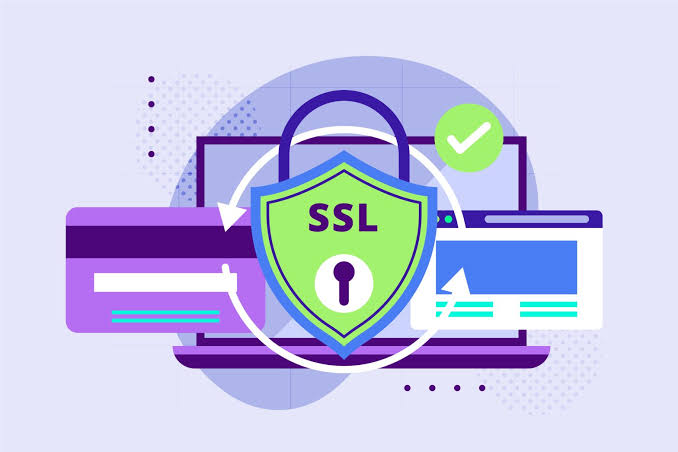
SSL Certificates for Business Websites help protect customer information and create secure online connections. As more companies offer products and services online, website security has become an important part of daily business operations. An SSL certificate allows a website to use HTTPS and helps prevent outsiders from reading sensitive information during transmission.
Businesses across Africa are increasingly using websites for online shopping, bookings, payments, and customer support. Whether a company operates a small website or a large online store, understanding SSL certificates can help owners make better security decisions and provide visitors with a safer browsing experience.
Why SSL Certificates for Business Websites Are Important
Every business website needs a secure way to exchange information with visitors. When customers enter passwords, contact details, or payment information, an encrypted connection helps protect that data from interception. Companies comparing certificate options can explore a DigiCert SSL certificate to understand the available security products, validation levels, and domain coverage choices.
SSL certificates also help websites avoid browser warnings caused by missing HTTPS protection. For example, a customer shopping on a Nigerian online store may hesitate to enter personal details if the browser reports an insecure connection. Although SSL does not guarantee that a business is trustworthy, a properly configured HTTPS website provides an important layer of technical protection.
How SSL Certificates Work to Protect Website Data
An SSL certificate is a digital certificate that connects a website’s identity to a cryptographic key. Modern websites use Transport Layer Security, or TLS, even though people still commonly call these certificates SSL certificates. When visitors open an HTTPS website, their browsers check the certificate and establish an encrypted connection with the website’s server.
For example, a customer in Kenya may visit an online clothing store and complete an order using a secure checkout page. HTTPS helps protect information while it moves between the browser and the server. It also helps prevent unauthorized changes to transmitted data, although website owners must still protect their applications, databases, and payment systems from other security threats.
Different Types of SSL Certificates for Business Websites
Domain Validation certificates, commonly called DV SSL, confirm that the applicant controls the requested domain name. Organization Validation certificates, or OV SSL, require additional checks to verify the business behind the website. Extended Validation certificates, known as EV SSL, involve more detailed organization checks. All three types can provide strong encryption, but they offer different levels of identity verification.
Certificates also differ in the number of domains they protect. A single-domain certificate covers a specified domain name, while a wildcard certificate can protect multiple first-level subdomains. Multi-domain certificates can secure several separate domain names under one certificate. Businesses managing online stores, customer portals, and service websites should compare these options before selecting suitable certificate coverage.
How to Choose the Right SSL Certificate for Your Business
Choosing an SSL certificate depends on the type of website, the number of domains, and the level of identity verification required. A small business blog may only need a DV certificate, while an established company may prefer an OV certificate that includes verified organization information. Larger organizations may consider EV certificates when detailed business identity checks match their operational requirements.
Website owners should also compare certificate providers, technical support, replacement procedures, and overall costs. Fast SSL Arena offers commercial SSL certificate options from recognized certificate brands, including DigiCert and Sectigo. Businesses can review available products and select certificates according to their domain structure, verification needs, and preferred management approach rather than choosing only by price.
SSL Certificate Installation Process for Websites
Installing an SSL certificate usually begins with selecting a suitable product and proving control of the domain. Depending on the hosting platform, the administrator may need to generate a Certificate Signing Request, also called a CSR. The certificate authority checks the required information before issuing the certificate. Once issued, the certificate must be configured on the web server or hosting platform.
After installation, the website should open correctly through HTTPS. Administrators should configure HTTP redirects, check certificate coverage, and confirm that images, scripts, and other resources use secure connections. Some hosting companies provide automatic installation, while others require manual setup through cPanel, Plesk, or server settings. Testing the website after installation helps identify configuration problems before visitors experience security warnings.
SSL Certificate Renewal and Website Maintenance
SSL certificates have limited validity periods and must be replaced before expiration. Under the public certificate rules applying in 2026, newly issued publicly trusted TLS certificates have a maximum validity of 200 days. Businesses should monitor expiration dates and understand that a longer commercial subscription does not remove the need to install replacement certificates during the subscription period.
Expired certificates can trigger browser security warnings and discourage visitors from using a website. Automatic certificate management can help reduce these problems, especially for companies operating several domains. Website owners should also keep server software updated, protect private keys, and review certificate settings regularly. Proper maintenance helps maintain secure access and reduces avoidable interruptions to online services.
Free vs Paid SSL Certificates for Business Websites
Free SSL certificates provide encryption and can be suitable for blogs, informational websites, and many business websites. Some hosting providers include free DV certificates with automatic renewal. Paid certificates may offer additional identity verification, commercial support, or specialized certificate management features. The encryption strength does not automatically increase simply because a certificate costs more.
Businesses should compare the complete service before making a purchase. A company managing multiple websites may value technical assistance and certificate management options, while a smaller website may work well with a free certificate. Paid products can be useful when businesses require OV or EV validation or specific support arrangements. The best choice depends on actual technical needs, not marketing claims about security.
Common SSL Certificate Errors and Their Solutions
One common SSL problem is an expired certificate, which can cause browsers to display warnings. Another issue is a domain mismatch, where the certificate does not cover the website address being visited. An incomplete certificate chain may also create connection errors. Administrators can prevent many of these problems by monitoring certificates, checking domain coverage, and completing installation correctly.
Mixed content is another common issue that occurs when an HTTPS page loads certain resources through HTTP. Website owners should update insecure resource addresses and test important pages after certificate installation. They should also avoid outdated TLS settings and keep private keys secure. Regular website checks, secure hosting, and software updates work alongside SSL certificates to improve overall website protection.
Final Thoughts on SSL Certificates for Business Websites
SSL Certificates for Business Websites are essential for protecting information exchanged between websites and visitors. They support HTTPS, help reduce the risk of data interception, and allow businesses to provide secure online connections. Companies should understand the differences between DV, OV, EV, wildcard, and multi-domain certificates before choosing a suitable option for their websites.
Also read: Cyber Insurance for Businesses: Coverage, Benefits, and Protection Against Digital Threats
Businesses across Africa can benefit from reviewing their website security requirements and planning certificate maintenance carefully. Selecting appropriate coverage, installing certificates correctly, and replacing them before expiration are important steps. Combined with secure hosting, updated software, and reliable payment systems, SSL certificates help businesses create safer and more dependable online experiences for their customers.