How Do You Choose a Date Coder for Beer Packaging
A beer date coder should print a legible, traceable code on every intended package at full production speed and after normal stops. The best technology depends on can, bottle, label, carton, condensation, ink adhesion, and available mounting space. Begin with the exact information the brewery must retain and where it will appear, then test samples under real line conditions.
When comparing beer date coder, start with the process duty and the conditions that will expose a weakness. A catalogue capacity or single performance number cannot show how the unit will behave across normal production, cleaning, start-up, and a demanding recipe.
What the Equipment Must Accomplish
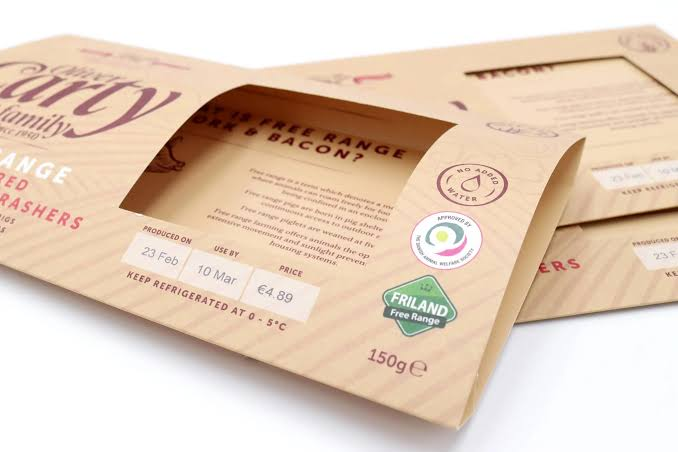
The code may carry production date, best-before date, batch, line, and seaming or filling information. Define its syntax and recordkeeping with quality and distribution teams before choosing the printer. The code should remain readable through handling and refrigeration. Some breweries print on the bottom of a can; others use a label or carton. Each placement changes drying, abrasion, and inspection needs.
How to Diagnose the Current Problem
Collect rejected packages and classify failure: missing code, wrong data, smearing, poor contrast, misplacement, or duplicate code after a restart. A missing mark may be a photoeye or trigger issue; smearing may indicate surface moisture or wrong ink. Wrong data is a control and changeover problem, not a printer hardware defect. Track faults by package type and line speed to avoid replacing a reliable coder for an upstream issue.
Which Design Details Matter
Compare continuous inkjet, thermal inkjet, laser, and label-based options against substrate, finish, code size, line speed, consumables, ventilation, and maintenance skills. Laser may require material and safety review; inkjet needs compatible ink and drying time. Specify a bracket that holds position despite vibration and allows safe adjustment. Include vision verification if a missed or wrong code would create a major recall or traceability risk.
Utilities and Installation Requirements
Provide power, network or production-data input, compressed air if required, space for service, and a location free of washdown beyond the equipment rating. Account for wet cans leaving a rinse or tunnel; the surface may need drying before coding. The conveyor should present the package consistently to the printhead. Design the reject and rework path so a wrong-code package cannot rejoin good stock unnoticed.
Cleaning and Safety Requirements
Ink or dust buildup on printheads, lenses, and sensors changes quality. Create a short cleaning and startup check, plus a secure method to change dates and batch numbers. Restrict editing rights where practical and log changes. Keep consumables identified by part number and shelf life. Staff should verify the first package after each changeover and restart, then inspect at a frequency tied to line risk.
Common Specification Mistakes
Choosing by print speed alone overlooks wet surfaces, changing formats, and data integrity. A coder that marks one trial can beautifully may fail when cartons pass at a different height or condensation forms during summer. Avoid free-text operator entry when the code can be drawn from an approved production order. Define what happens after unreadable-code detection: stop, reject, quarantine, and trace the affected interval.
How to Verify Performance
Run samples of every intended substrate and finish at maximum speed, after a planned stop, and after a full cleaning cycle. Rub or chill the code under the brewery’s distribution conditions and check machine or human readability as required. Simulate a wrong recipe or missing trigger and verify rejection. Acceptance should include print quality, data accuracy, changeover time, consumable usage, and a recorded operator training exercise.
How to Compare Supplier Proposals
For beer date coder, give every supplier the same product mix, batch size, duty cycle, utility conditions, control expectations, and acceptance criteria. Ask each one to mark exclusions as clearly as inclusions. Compare drawings, materials, instruments, access, controls, documentation, spares, installation support, and warranty boundaries rather than comparing vessel size or purchase price alone. A lower bid can become a higher installed cost when field piping, valves, software, commissioning, and training are omitted. Request a component list and a responsibility matrix before placing an order.
A request for quotation for brewery packaging coder should state the operating cases that matter most. Ask which values are guaranteed at the site, which are estimates, and what the supplier expects the brewery to provide. Keep any change to the agreed design in a written revision so the acceptance test remains tied to the installed equipment.
The Purchase Specification in One Page
For this application, the one-page specification should state required code data, substrate and condensation conditions, maximum line speed, verification method, and wrong-code rejection. Include the beer or wort condition at the test point, the expected range rather than a single ideal value, and who will measure each result. Add the drawings and documents needed to confirm that the delivered machine matches the offer. Name the site utilities and the boundary between supplier and brewery work. Finally, define the out-of-range response, because a number in a quotation is useful only when both sides know what happens if the installed system misses it.
A Practical Commissioning Sequence
For brewery packaging coder, check mechanical completion, instrument identification, electrical and utility connections, safe isolation, and cleaning readiness before processing beer. Run water or an appropriate test medium first where it can reveal leaks or control errors without sacrificing a batch. Then test the equipment with a representative production load. Record the settings, alarms, operator actions, measurements, and deviations. Train operators using the final configuration, not a draft drawing. Revisit the data after several runs, because an installation can pass a single demonstration and still fail under a full production schedule.
What to Keep in the Operating Record
Keep the approved drawing, equipment tags, settings, certificates where relevant, cleaning procedure, spare-parts list, and baseline performance trend for beer date coder together. Record the conditions behind each meaningful failure, including recipe, volume, temperature, pressure, flow, and operator action. That record helps separate a mechanical defect from a changed process. Review it after any new tank, recipe, package format, or utility change. A durable specification is one the brewer, maintenance team, and supplier can all test against the same evidence.
Should the Code Be Printed Before or After Chilling
Choose the location based on substrate dryness, code durability, readability, and line access. A code printed on a wet can may smear or fail to adhere; a code printed too early can be abraded in accumulation. Test both placement and timing through normal handling and refrigeration before committing to a bracket position.