Sniffies Cruise Map Privacy Tips
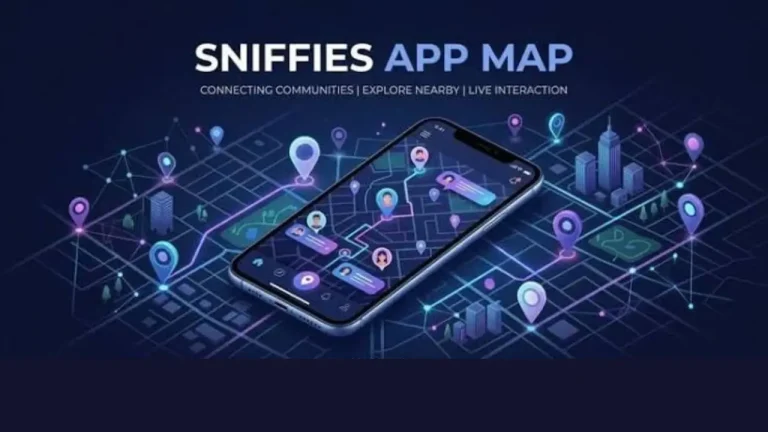
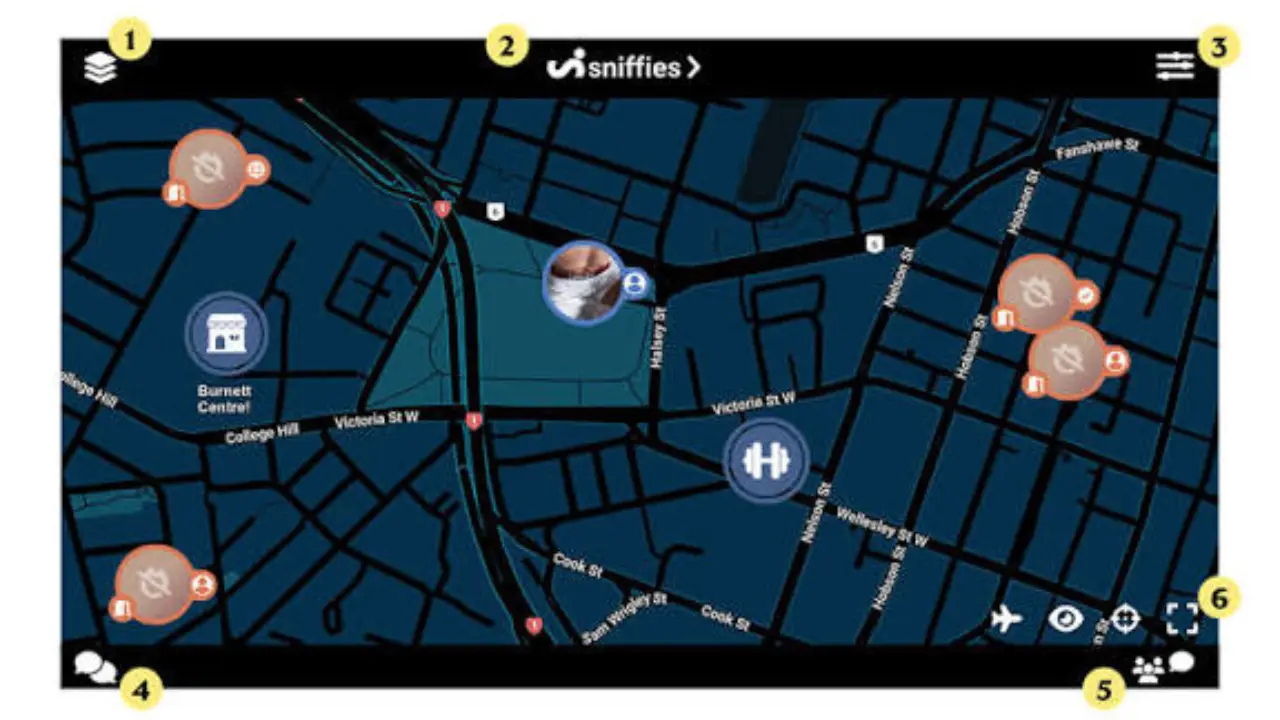
The Sniffies cruise map is a location-based browsing feature associated with Sniffies, an adult-oriented social and dating service. It is designed to help eligible adults see other users and, depending on the service’s available options and local activity, places or posts nearby. The map can make it easier to start conversations based on proximity, but it also calls for careful choices about location sharing, consent, and meeting strangers.
Its purpose is not to guarantee that someone is available, interested, or safe to meet. A map position is only a starting point for communication. Clear agreement and sensible privacy practices matter more than how close two map pins appear.
What the Sniffies cruise map shows
The cruise map presents nearby activity in a map-style interface rather than only in a traditional list of profiles. Depending on what a user chooses to share and what features are available, it may show profiles, approximate locations, or community-submitted location information. The exact display and controls can change over time.
“Cruising” in this context generally refers to looking for adult social or sexual connections in one’s area. It does not mean that a person has consented to contact, a meeting, photographs, or any particular activity. Treat map information as limited, user-controlled information—not as an invitation or verification of identity.
How location-based browsing works
Location-aware services generally use a device’s location settings, network information, or both to estimate where a user is. A map then places users or activity relative to that estimate. The result may be precise, approximate, delayed, or inaccurate depending on device settings, signal conditions, and the platform’s privacy design.
Before using any map-based adult service, review the location permission requested by the browser or device. A website can only access location data if the user permits it through the relevant controls, though the service may still infer a broad area from an IP address or other network signals.
Chaturbate Ebony Community, Features, and Growth Trends
Why a pin is not always an exact address
A point on a map should not be assumed to identify a person’s exact physical location. Many platforms use approximate placement, allow users to alter their visible position, or show location information that is no longer current. A user may be traveling, at work, using a privacy setting, or simply not looking to meet.
That uncertainty is protective in many cases. Do not try to identify someone’s home, workplace, or routine from map activity, and do not show up at a location without an explicit invitation.
Getting started with the map
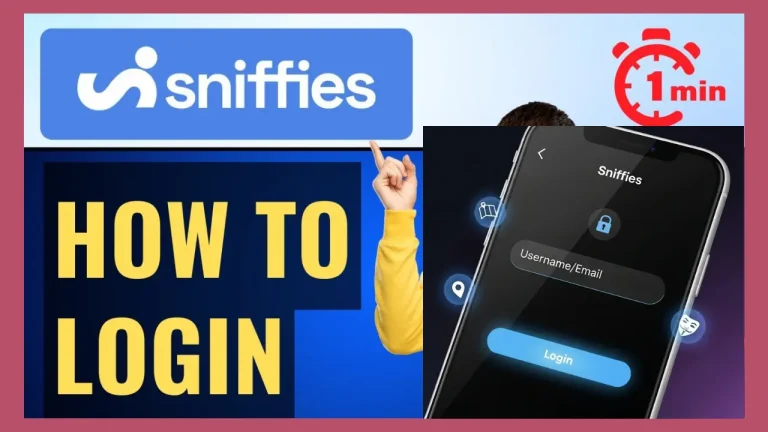
Using the map responsibly begins with account and browser privacy decisions. The labels may differ by device and service version, but the basic process is usually similar.
- Confirm eligibility. Use adult-oriented services only if you meet the platform’s age requirement and the age of majority where you are.
- Open the service through its official site or app route. Be cautious with links from unsolicited messages, ads, or look-alike sites.
- Choose location access deliberately. Decide whether to allow precise location, an approximate area, or no location access. If a setting is unclear, deny it first and review the privacy options.
- Set up a profile with limited identifying details. A recognizable face photo, full name, employer, home address, or daily schedule can reveal more than intended.
- Browse and message respectfully. Read profile boundaries, send one clear message, and accept silence or a no without pressure.
- Verify plans before meeting. Agree on expectations, a general place and time, and a way to leave independently.
If the map is not loading, common causes include denied browser location permission, a weak connection, an outdated browser, content-blocking settings, or a temporary service issue. Check the browser’s site permissions and reload before granting broader access than necessary.
Sniffies Meaning Context, Usage, And Definition
Location privacy: choices that reduce exposure
Map-based services can reveal sensitive patterns even when they do not display an exact street address. Someone who appears repeatedly in the same small area at predictable times may be easier to identify. Small privacy adjustments can reduce that risk.
- Use the least precise location setting that still works for your purpose.
- Avoid using the map from home, work, school, or another place that could identify you, especially when you are new to the service.
- Do not include your address, workplace, phone number, surname, or social-media handles in a public profile.
- Check photos for visible house numbers, workplace badges, landmarks, mail, vehicle plates, and other identifying details.
- Turn off location access when you are finished, especially on a shared device.
- Review profile visibility and distance settings periodically because options and defaults can change.
- Use a strong, unique password and enable any account-security options offered by the service.
Be equally careful with screenshots. Sharing another person’s profile, photos, or location outside the service can violate their privacy and may put them at risk. Ask before saving or forwarding private material.
Consent and respectful communication
Consent is specific, informed, voluntary, and ongoing. A profile, map pin, flirtatious message, or prior conversation is not blanket permission. Each person can set limits, change their mind, or end a conversation at any time.
A respectful first message is short and gives the other person an easy way to decline. For example, ask whether they would like to chat rather than commenting on their presumed location or demanding a reply. Avoid repeated messages, pressure for photos, requests for identifying details, or attempts to move a conversation off-platform before trust is established.
Before sharing intimate images or details
Consider what could happen if an image is copied, saved, or shared. Remove identifying features if privacy matters to you, and do not send images that show someone else without their explicit permission. Never share another person’s intimate content or personal information without consent.
Be alert to coercion, threats, impersonation, and requests for money. A person who pressures you to send explicit material, pay a fee, disclose your identity, or meet immediately is giving you a reason to pause. Blocking and reporting tools are usually safer choices than negotiating with someone who ignores boundaries.
Meeting someone from a map: practical safety steps
Meeting a new person carries uncertainty whether the introduction happens through a map, a dating profile, or mutual friends. You cannot fully verify a stranger from online messages, but you can reduce risk by planning for independence and leaving early if anything feels wrong.
- Have an initial conversation long enough to discuss basic expectations and boundaries.
- Consider a public first meeting when that feels appropriate for both people.
- Arrange your own transportation and keep enough phone battery and funds to leave.
- Tell a trusted person where you expect to be, or use a check-in plan that does not disclose more than necessary.
- Limit alcohol or other substances that could impair your ability to decide, communicate, or leave.
- Do not accept a last-minute location change that makes you uncomfortable.
- Leave if the person is not who they represented themselves to be, ignores a boundary, or creates pressure.
Emergency procedures vary by location. If you feel in immediate danger, move toward a public place if possible and contact local emergency services. For non-emergency harassment or suspicious behavior within the service, preserve only the information needed for a report and use the platform’s reporting process.
Public places and location posts require extra care
Some map-based communities may include references to public venues or areas. A location being discussed online does not make sexual activity, photography, or approaching others acceptable there. Public conduct rules, venue policies, and local laws differ, and other people nearby may not have agreed to participate or observe.
Respect the setting, the property owner’s rules, and everyone’s privacy. Do not treat a public location listing as proof that a particular person will be there or wants contact. Private, consensual arrangements between adults are safer and more respectful than assumptions based on a map.
Common misunderstandings about map activity
| Assumption | More accurate view |
|---|---|
| A nearby profile means the person wants to meet now. | It only indicates visible activity or a displayed location. Interest must be communicated directly. |
| A map marker reveals an exact address. | Location may be approximate, altered, delayed, or inaccurate. |
| A profile proves someone’s identity. | Online profiles can be incomplete or misleading. Use caution and avoid sharing sensitive details too early. |
| Silence means it is fine to keep messaging. | Silence is not consent. Give people space and stop if they do not engage. |
| A public place mentioned online is an invitation. | It is not. Permission from the person and suitability of the location still matter. |
Frequently Asked Questions
Is the Sniffies cruise map an exact live tracker?
No map should be treated as an exact live tracker of another person. Displayed positions can be approximate, user-controlled, delayed, or otherwise inaccurate. Respect privacy and do not attempt to locate someone without their direct agreement.
Do I have to share my precise location?
That depends on the service’s current settings and your device permissions. Review the available options before granting access. If precise sharing is not necessary, choose a less precise setting or decline location permission.
Can I use the map without meeting anyone?
Yes. Browsing or chatting does not obligate anyone to meet. You can stop responding, adjust privacy settings, block a user, or leave the service whenever you choose.
What should I do if someone harasses or threatens me?
Do not send more personal information or money. Block the account, use the platform’s report feature, and save relevant details if you may need them for a report. If there is an immediate safety threat, contact local emergency services.
Why does the map show the wrong area?
Location can be affected by browser permissions, network routing, GPS accuracy, privacy settings, and user-selected placement. Check your device and browser permissions, but avoid assuming another user’s displayed location is exact.
Conclusion
The Sniffies cruise map can help eligible adults discover nearby community activity, but proximity is not identity, availability, or consent. Keep your location and personal details under control, communicate directly, respect boundaries, and make meeting plans that leave every person free to say no or leave. Those habits make map-based connections more private and safer for everyone involved.