How Do You Monitor Pasteurization Units on a Beer Tunnel Pasteurizer
A tunnel pasteurizer must deliver the intended heat treatment to the beer inside each package, not merely hold spray water at a set temperature. Pasteurization units depend on the product’s actual time-temperature history. Monitor a representative package through warm-up, hold, and cooling zones, then connect that result to conveyor speed, spray control, and product format.
When comparing tunnel pasteurizer, start with the process duty and the conditions that will expose a weakness. A catalogue capacity or single performance number cannot show how the unit will behave across normal production, cleaning, start-up, and a demanding recipe.
What the Equipment Must Accomplish
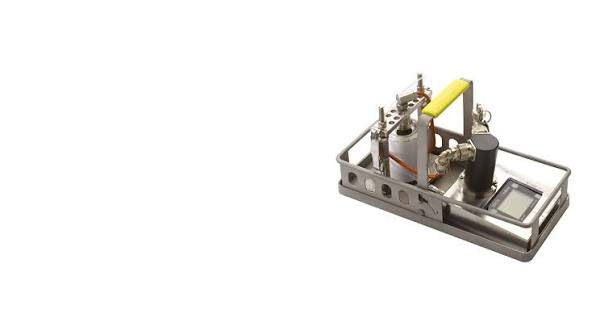
Different can or bottle sizes heat at different rates, and a change in package or fill temperature changes the delivered treatment. Define the microbiological goal and the product quality limit with the brewery’s process authority before selecting a PU target. The tunnel’s displayed zone temperatures are useful for control but do not directly prove the liquid center reached the intended profile. A validated package logger provides the needed product-side evidence.
How to Diagnose the Current Problem
If PU results vary, review conveyor stops, belt speed changes, spray nozzle fouling, circulation flow, and temperature stratification across the tunnel width. A package near an edge may experience a different history from one in the middle. Compare logs across lanes and during restarts. A short stop in a hot zone can overprocess a package, while a loss of spray flow may underprocess one even if the water reservoir sensor remains warm.
Which Design Details Matter
Specify zone control, conveyor-speed monitoring, spray-flow indication, automatic response to stops, and data logging. A compact logger placed in a representative package should be part of validation and periodic checks. Confirm compatibility with can or bottle materials, labels, and pack dimensions. Ask the supplier how the system manages a line stop, whether it cools or diverts product, and how affected packages are identified.
Utilities and Installation Requirements
Check water supply, heating duty, cooling water, drainage, steam or electrical service, and recirculation pump redundancy. A poorly sized heat-recovery section can waste utilities or slow throughput. The infeed and outfeed need enough accumulation to avoid frequent stop-start cycles. Leave access to nozzles, strainers, pumps, and zone sensors. Confirm that wastewater handling and hot-surface protection suit the installation.
Cleaning and Safety Requirements
Spray nozzles and strainers can foul, changing coverage even when a zone’s tank temperature looks normal. Inspect and clean them on a schedule based on water quality and observed performance. Calibrate temperature sensors and package loggers. Keep records of package-format changes and each validation run. A safe maintenance procedure must isolate hot water, steam, electricity, and moving conveyor sections before internal access.
Common Specification Mistakes
Do not equate a tunnel setpoint with a measured product PU value. Another error is accepting one logger run at ideal steady state but never testing a stop or restart. Overprocessing can harm flavor and carbonation, while underprocessing may fail the intended microbial control. The correct response to an out-of-range result is defined hold, investigation, and retest, not an undocumented increase in every zone temperature.
How to Verify Performance
Validate each intended package size and line speed using a calibrated product logger placed in representative lanes. Include steady running, normal start-up, and planned stop scenarios. Compare measured time-temperature curves and PU values with the approved process window. Confirm alarm and product segregation logic during a simulated fault. Acceptance should include the data file, settings, calibration records, and operator procedure for routine verification.
How to Compare Supplier Proposals
For tunnel pasteurizer, give every supplier the same product mix, batch size, duty cycle, utility conditions, control expectations, and acceptance criteria. Ask each one to mark exclusions as clearly as inclusions. Compare drawings, materials, instruments, access, controls, documentation, spares, installation support, and warranty boundaries rather than comparing vessel size or purchase price alone. A lower bid can become a higher installed cost when field piping, valves, software, commissioning, and training are omitted. Request a component list and a responsibility matrix before placing an order.
A request for quotation for beer pasteurization equipment should state the operating cases that matter most. Ask which values are guaranteed at the site, which are estimates, and what the supplier expects the brewery to provide. Keep any change to the agreed design in a written revision so the acceptance test remains tied to the installed equipment.
The Purchase Specification in One Page
For this application, the one-page specification should state product temperature history by package format and lane, PU window, conveyor-stop response, spray flow, and affected-stock identification. Include the beer or wort condition at the test point, the expected range rather than a single ideal value, and who will measure each result. Add the drawings and documents needed to confirm that the delivered machine matches the offer. Name the site utilities and the boundary between supplier and brewery work. Finally, define the out-of-range response, because a number in a quotation is useful only when both sides know what happens if the installed system misses it.
A Practical Commissioning Sequence
For beer pasteurization equipment, check mechanical completion, instrument identification, electrical and utility connections, safe isolation, and cleaning readiness before processing beer. Run water or an appropriate test medium first where it can reveal leaks or control errors without sacrificing a batch. Then test the equipment with a representative production load. Record the settings, alarms, operator actions, measurements, and deviations. Train operators using the final configuration, not a draft drawing. Revisit the data after several runs, because an installation can pass a single demonstration and still fail under a full production schedule.
What to Keep in the Operating Record
Keep the approved drawing, equipment tags, settings, certificates where relevant, cleaning procedure, spare-parts list, and baseline performance trend for tunnel pasteurizer together. Record the conditions behind each meaningful failure, including recipe, volume, temperature, pressure, flow, and operator action. That record helps separate a mechanical defect from a changed process. Review it after any new tank, recipe, package format, or utility change. A durable specification is one the brewer, maintenance team, and supplier can all test against the same evidence.
Can Tunnel Water Temperature Prove Product PU
No. Spray-water temperature is a control variable; the beer inside a package heats and cools at its own rate. A calibrated logger in a representative package is needed to establish the product time-temperature history. Revalidate after changing container format, line speed, or a zone’s operation.