
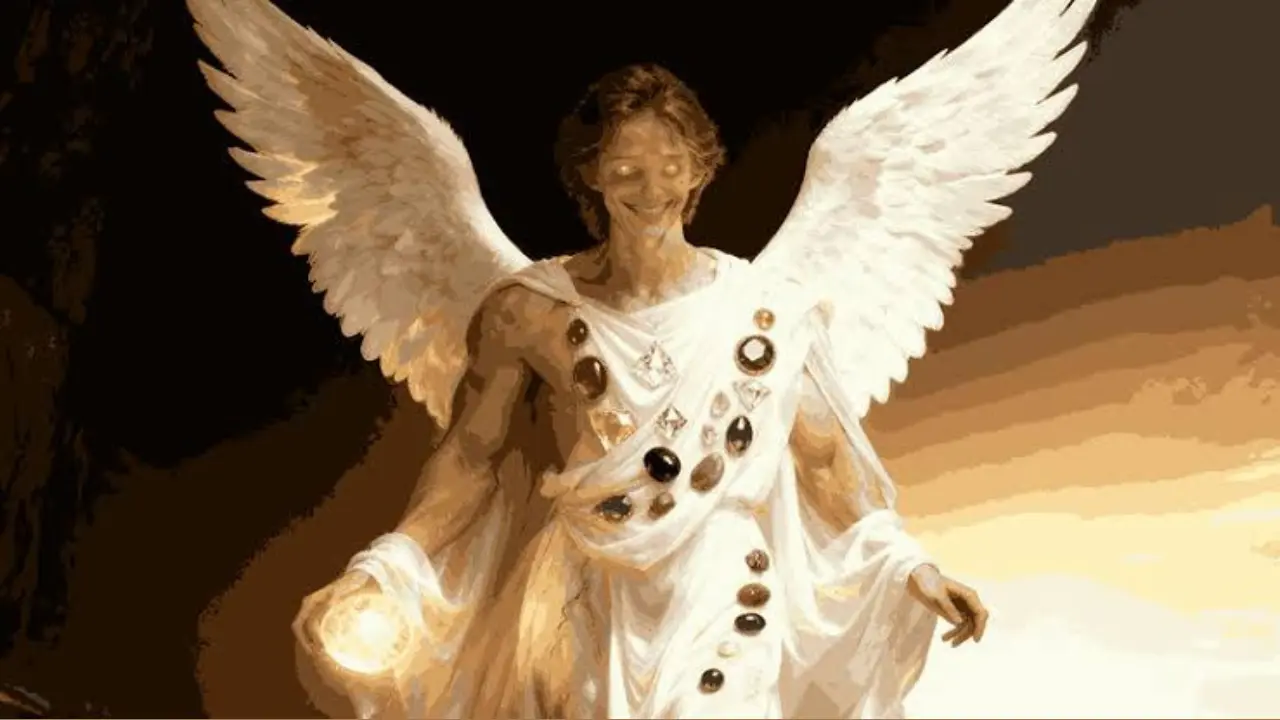
Was Lucifer An Archangel Biblical Evidence Explained
The question was lucifer an archangel has been discussed by Christians, theologians, and Bible readers for centuries. Many people believe Lucifer was once one of the highest-ranking angels in heaven before rebelling against God. However, the Bible does not directly call Lucifer an archangel, which makes the subject more complex than popular stories often suggest.
To understand the idea properly, we need to look at biblical passages, traditional Christian teachings, and the meaning of names such as Lucifer, Satan, and archangel. Different religious traditions interpret these passages in different ways.
Was Lucifer an Archangel According to the Bible?
When people ask was lucifer an archangel, the most important point is that Scripture never directly gives Lucifer that title. The Bible clearly uses the word “archangel” in connection with Michael, but it does not explicitly describe Lucifer in the same way.
Jude 1:9 identifies Michael as “the archangel.” First Thessalonians 4:16 also mentions the voice of an archangel, although it does not provide a name in that passage.
Lucifer, on the other hand, appears mainly through interpretations of passages connected with pride, rebellion, and a fall from a high position. This has led many Christians to believe that Satan once had an important heavenly role.
Where Does the Name Lucifer Come From?
The word Lucifer is strongly connected with Isaiah 14:12. Older English translations use the phrase “Lucifer, son of the morning.” The original passage describes the fall of a proud ruler, traditionally understood as the king of Babylon.
The Latin word lucifer means “light-bringer” or “morning star.” Over time, Christian tradition connected the passage with Satan’s fall because its language describes someone who wanted to rise above God’s throne but was brought down.
Many modern Bible scholars point out that Isaiah’s immediate historical context focuses on a human king. However, some Christian interpretations also see the passage as symbolically describing Satan’s pride and rebellion.
Sniffies Meaning Context, Usage, And Definition
What Is an Archangel?
An archangel is generally understood as a high-ranking angel with special authority. The term comes from words meaning “chief angel” or “leading angel.”
The Bible gives only limited information about angelic ranks. Michael is specifically identified as an archangel, while Gabriel appears as an important messenger but is never directly given the title of archangel in Scripture.
Religious traditions later developed more detailed angelic hierarchies. These systems often describe different orders such as angels, archangels, cherubim, and seraphim.
Because these classifications developed over centuries, not every teaching about angelic ranks comes directly from biblical text.
Was Lucifer an Archangel Before His Fall?
The question was lucifer an archangel often comes from the traditional belief that Satan once held a powerful position in heaven. Some Christian teachers believe Lucifer may have been an exceptionally important angel before his rebellion.
Ezekiel 28 is sometimes used to support this idea. The chapter directly addresses the king of Tyre, but part of the description speaks of someone associated with Eden and calls him an “anointed cherub.”
Some interpreters believe the passage contains a symbolic description of Satan behind the earthly king. If this interpretation is accepted, Lucifer may have been connected more closely with the cherubim than with the rank of archangel.
This means even traditional interpretations do not necessarily prove that he was an archangel.
Chaturbate Ebony Community, Features, and Growth Trends
Lucifer and the Anointed Cherub
Ezekiel 28:14 describes an “anointed cherub that covereth” in some translations. The figure is described as beautiful, wise, and connected with the mountain of God before corruption appeared.
Because of these words, many Christian traditions teach that Satan was once a glorious heavenly being who became proud.
A cherub is not necessarily the same as an archangel. Biblical descriptions of cherubim usually connect them with God’s presence, holiness, and throne.
Therefore, if Ezekiel 28 refers indirectly to Satan, it may suggest that his original role was different from Michael’s.
Why Did Lucifer Fall From Heaven?
Christian tradition teaches that Lucifer’s downfall resulted from pride and rebellion against God. Isaiah 14 contains statements such as “I will ascend into heaven” and “I will be like the most High.”
These words have often been interpreted as representing Satan’s desire to take a position that belonged only to God.
Revelation 12 also describes a conflict in heaven involving Michael and his angels fighting against the dragon and his angels. The dragon is identified as Satan.
This passage strongly presents Satan as God’s enemy and shows Michael opposing him. However, it does not tell readers what Satan’s original angelic rank was.
Was Lucifer an Archangel Like Michael?
Another way to approach was lucifer an archangel is by comparing Lucifer with Michael. Michael receives a clear biblical title, while Lucifer does not.
Daniel describes Michael as “one of the chief princes” and presents him as a powerful heavenly protector. Revelation also shows Michael leading angels in battle against the dragon.
Satan also appears to have authority over other fallen angels, which suggests leadership. Yet leadership alone does not prove he held the official rank of archangel before his fall.
The Bible gives far more information about Satan’s actions and character after rebellion than about his exact position before it.
Lucifer, Satan, and the Devil
People often use Lucifer, Satan, and the Devil as names for the same being. Biblically, however, these terms have different backgrounds.
“Satan” means adversary or opponent. “Devil” comes from a term associated with accusation or slander. Lucifer comes from the Latin wording connected with the morning star in Isaiah.
Christian tradition eventually connected these ideas and used Lucifer as the name of Satan before his fall.
This traditional understanding became especially influential through Christian literature, sermons, art, and theological writings.
What Does Christian Tradition Teach?
Some early and later Christian writers interpreted Isaiah 14 and Ezekiel 28 as passages that reflected Satan’s fall. Over time, the idea developed that Lucifer had once been a magnificent angel who became proud.
Some traditions describe him as one of heaven’s greatest angels. Others identify him with a cherub or another powerful spiritual being.
Popular Christian culture sometimes describes Lucifer as an archangel alongside Michael, Gabriel, and Raphael. However, this arrangement is based more on later religious tradition than on a direct biblical statement.
For this reason, Christians should distinguish between biblical wording and later interpretation.
Was Lucifer an Archangel in Other Religious Traditions?
The discussion of was lucifer an archangel also changes depending on the religious tradition being examined. Roman Catholic, Eastern Orthodox, Protestant, Jewish, and other traditions do not always explain Satan or angelic hierarchies in exactly the same way.
Some Christian writings include larger lists of archangels, while Protestant traditions usually focus more closely on names that appear directly in canonical Scripture.
Judaism has its own teachings about Satan and angels and generally does not follow the later Christian story of Lucifer in exactly the same form.
Therefore, the idea that Lucifer was an archangel should not be treated as a belief shared equally by every religious tradition.
Did Lucifer Lead Other Angels?
Revelation 12 describes the dragon and “his angels,” suggesting that Satan has other spiritual beings connected with him.
Christian tradition commonly identifies these beings as fallen angels who joined Satan’s rebellion.
This leadership role may be one reason people assume Lucifer must have been an archangel or another high-ranking angel. A being able to influence other angels would likely have held great power or status.
Still, the Bible does not explain whether that authority existed before his rebellion or developed afterward.
What Is the Difference Between Lucifer and Michael?
Michael is presented as loyal to God and active in spiritual conflict. Lucifer, in traditional Christian understanding, represents rebellion, pride, and opposition to God.
Michael’s title as archangel appears directly in Jude. Lucifer’s original rank does not.
This difference is important because theological traditions sometimes provide details that Scripture itself leaves unclear.
Both figures are associated with spiritual conflict, but the Bible never says they originally shared the same rank.
Why Do People Believe Lucifer Was an Archangel?
The belief comes from combining several biblical passages with centuries of Christian interpretation.
Isaiah describes a dramatic fall connected with pride. Ezekiel describes a beautiful heavenly-looking cherub corrupted by pride. Revelation describes Satan commanding angels and fighting against Michael.
When readers connect these passages, Lucifer appears to have been an extremely powerful spiritual being.
Later literature strengthened the image even further. Writers and artists often portrayed Lucifer as one of heaven’s greatest angels before his rebellion, making the idea familiar even outside religious study.
Can We Know Lucifer’s Exact Rank?
The Bible does not provide enough information to identify Lucifer’s original rank with complete certainty.
If Ezekiel 28 contains a symbolic description of Satan, the term “cherub” may provide the closest indication. However, scholars disagree about whether the passage refers to Satan at all or simply uses poetic imagery for the king of Tyre.
The safest conclusion is that Christian tradition often describes Satan as a powerful fallen angel, but Scripture does not directly define him as an archangel.
Conclusion
So, was lucifer an archangel according to Scripture? The Bible does not directly say that he was. Michael is clearly called an archangel, while passages traditionally connected with Lucifer describe pride, beauty, rebellion, and possibly the role of a cherub. Christian tradition strongly supports the idea that Lucifer was once a powerful heavenly being, but his exact angelic rank remains uncertain. When answering was lucifer an archangel, it is best to separate clear biblical statements from interpretations that developed later in Christian history.