
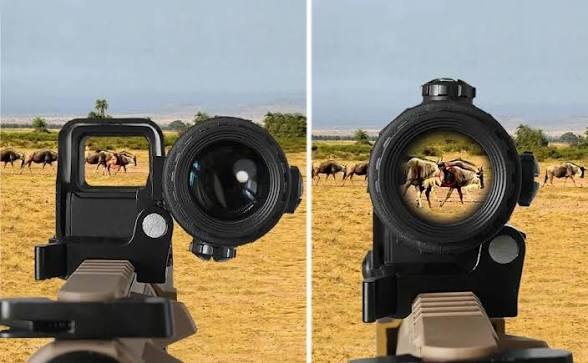
Red Dot Sights vs Holographic Sights
Red dot sights vs holographic sights is a common comparison among people researching modern optical sight technology. Both categories provide an illuminated visual reference, but the technology used to create that image is different.
These differences can affect product size, weight, battery requirements, optical construction, manufacturing complexity, and price. Understanding how the two technologies differ can help consumers and optics businesses better understand the products available in the market.
Understanding Modern Optical Sight Technology
Modern sight manufacturing combines optical components, electronics, housings, coatings, and precision assembly. Billings is a China based optics manufacturer producing red dot sights, rifle scopes, scope mounts, and related optical products while also providing OEM and ODM manufacturing services.
Quality depends on more than exterior appearance. Manufacturers must consider lens quality, electronic components, housing construction, coatings, sealing, assembly consistency, and inspection processes when developing an optical product for a brand or distributor.
Red Dot Sights vs Holographic Sights Technology
When comparing Red dot sights vs holographic sights, the biggest distinction is how the visible aiming image is produced. A conventional red dot uses an LED based optical system, while a holographic sight uses more complex technology to create and display a holographic image.
That technological difference influences product design. Conventional red dot systems can often be made compact and relatively simple, while holographic systems generally require additional optical and electronic components inside the housing.
Size and Weight Differences
Compact design is one reason red dot technology appears in many optical product ranges. Manufacturers can produce models with different housing sizes, lens shapes, control arrangements, and mounting configurations depending on the intended commercial market.
Holographic designs are often larger because their internal systems are more complex. However, actual dimensions and weight depend on the individual product rather than the technology alone, so buyers should compare specifications instead of assuming every model follows the same pattern.
Battery Life and Electronic Design
Electronic efficiency is another major product consideration. Conventional red dot sights often use relatively efficient LED systems, allowing manufacturers to develop products intended to operate for extended periods under suitable settings and conditions.
Holographic technology generally has different power requirements because of its more complex projection system. Actual battery performance varies according to the product, brightness settings, battery type, electronics, temperature, and usage conditions.
Optical Quality and Lens Manufacturing
Lens quality affects the visual experience of any optical sight. Glass selection, polishing, coatings, assembly, and quality control can influence clarity and consistency. These areas require specialized manufacturing processes and inspection.
Billings lists machining, lens polishing, plastic molding, assembly, and inspection among its manufacturing capabilities. Businesses researching its production services and optical categories can visit billingsoptics.com for information about the company’s current products and OEM capabilities.
Manufacturing and Quality Control
Optical products combine small components that need to work together consistently. Housing dimensions, electronic systems, lenses, coatings, seals, controls, and other components can all influence the quality of the finished product.
Quality control therefore needs to take place throughout production. Billings states that its facility uses incoming, production-stage, and final inspection processes and operates under an ISO 9001 quality management system, alongside other listed product certifications and standards.
OEM and ODM Optics Manufacturing
OEM manufacturing allows brands to work with an established manufacturer rather than creating their own production facility. Depending on the project, businesses may discuss specifications, branding, packaging, quantities, finishes, and other commercial requirements with the manufacturer.
ODM services can involve a greater level of product development support. Billings describes design, manufacturing, and quality control as core parts of its operations and states that it works with international brands seeking optical products for different markets.
Choosing Between Different Sight Technologies
A Red dot sights vs holographic sights comparison should consider the complete product rather than focusing on one specification. Size, weight, battery requirements, optical design, construction, controls, price, warranty, and manufacturer support can all influence a purchasing decision.
Different consumers and commercial buyers may prioritize different characteristics. A distributor may focus on pricing and product consistency, while an optics brand may place greater importance on customization, manufacturing capacity, quality assurance, packaging, and long term OEM support.
The Future of Optical Sight Manufacturing
Optical manufacturing continues to develop as companies improve lenses, coatings, electronics, machining, materials, and production methods. Manufacturers are also responding to demand for compact designs, consistent quality, modern styling, and greater customization.
For businesses researching optical products, understanding Red dot sights vs holographic sights provides useful background on two different technologies. Manufacturers such as Billings and information available through billingsoptics.com also demonstrate how design, production, inspection, and OEM services come together within the wider optics manufacturing industry.